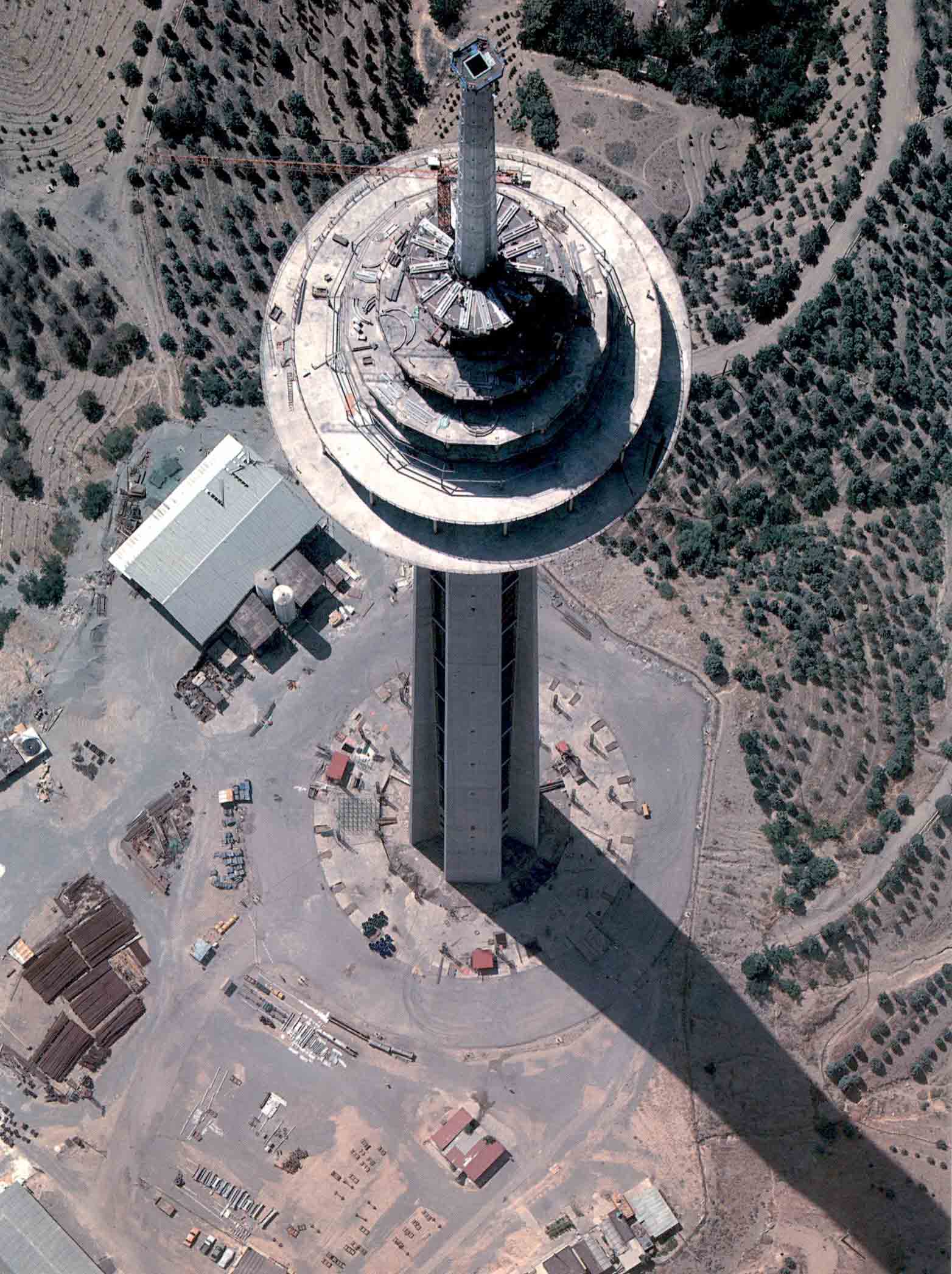
Urban landscape creates a certain local climate that distinguishes it from the rural landscape around it. This is confirmed by the presence of a thermal island and by studies that show that over a quiet and clear-sky night the temperature of the city and that of the village differ above 12 degrees of Celsius. Different land uses in the city create a mosaic of hot and cold areas. For example, there can be a difference of more than 7 degrees of Celsius between a park and a building environment. The geometric state of the streets is important in thermal pattern of cities.
Madadi, M. & Baratian, A. (2006). The Status of Climatology in Urban Planning. Scientific- Research Quarterly of Geographical Data (SEPEHR), 15(58), 46–53.
MLA
Madadi, M., & Baratian, A. "The Status of Climatology in Urban Planning", Scientific- Research Quarterly of Geographical Data (SEPEHR), 15, 58, 2006, 46–53.
HARVARD
Madadi, M., & Baratian, A. (2006). 'The Status of Climatology in Urban Planning', Scientific- Research Quarterly of Geographical Data (SEPEHR), 15(58), pp. 46–53.
CHICAGO
Madadi, M. & Baratian, A., "The Status of Climatology in Urban Planning." Scientific- Research Quarterly of Geographical Data (SEPEHR), 15 58 (2006): 46–53,
VANCOUVER
Madadi M., Baratian A. The Status of Climatology in Urban Planning. SEPEHR. 2006;15(58):46–53 (In Persian).